


Getting in shape before ski season is essential for both performance and injury prevention. Skiing demands strength, balance, endurance, and flexibility—qualities that protect your body from the intense forces of carving turns, absorbing bumps, and maintaining control on varied terrain. Without proper conditioning, the muscles and joints that stabilize your knees, hips, and core are more prone to fatigue, which increases the risk of common injuries such as ligament tears or strains. A focused pre-season fitness routine helps build resilience, enhances coordination, and ensures your body is ready to handle the physical demands of the slopes—so you can ski longer, safer, and with more confidence.
Here are 10 of the best exercises to prepare for your skiing season.
- Squats – Builds strength in the quads, glutes, hamstrings; important for powering turns and absorbing terrain.

- Lunges / Jumping Lunges – Works single-leg stability and power, mimicking the push-and-recover motion in skiing.
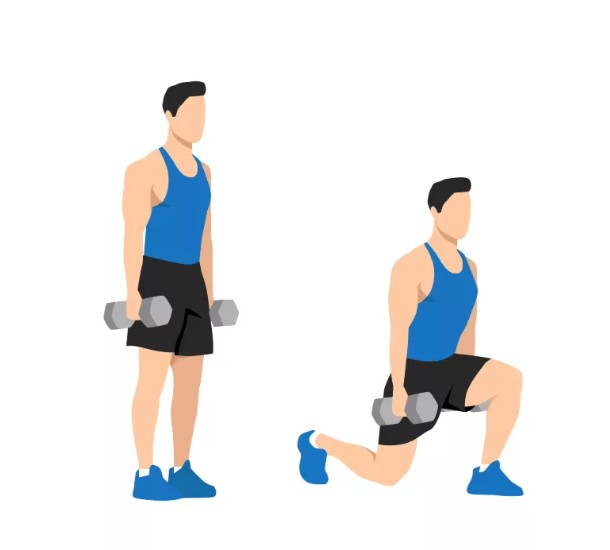
3. Box Jumps – Plyometric exercise that increases leg explosiveness to help with dynamic movements (e.g. jumps) .

4. Single-Leg Deadlifts – Improves posterior chain strength (hamstrings, glutes) and also challenges balance.
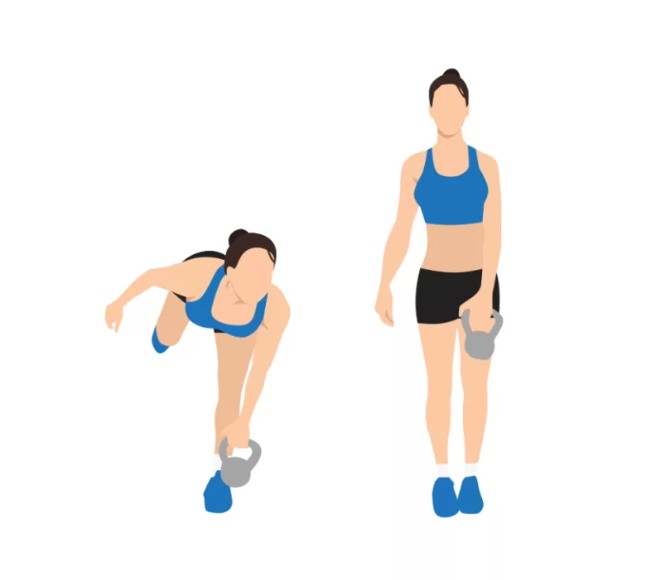
5. Wall Sits – Builds endurance in quads; you maintain a semi-squat (isometric) posture similar to skiing stance.

6. Planks (including side planks) – Core and oblique strength, stabilizing the torso and helping maintain posture under fatigue and while making turns.
 7. Russian Twists (or torso rotations) – Trains rotational mobility and strength, which is crucial for carving and changing direction.
8. Lateral Ski Jumps (or side-to-side hops) – Develops lateral strength, agility, and the ability to handle side-to-side forces.
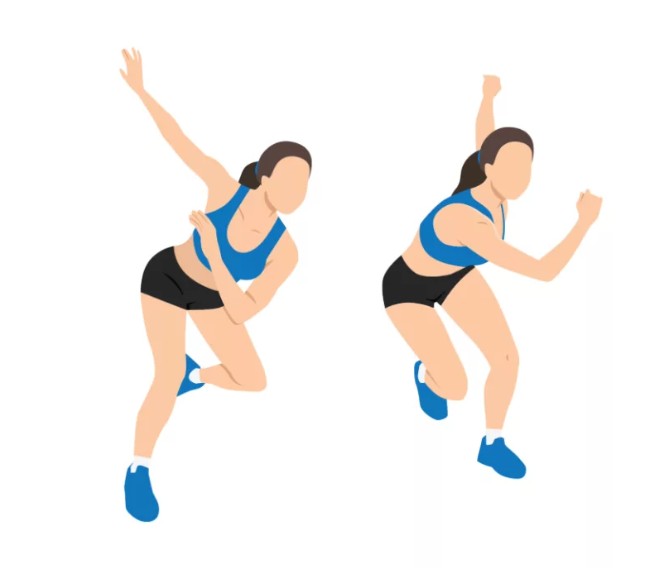
9. Mountain Climbers – Helps with core endurance, plus elevates heart rate; simulates fast alternating leg motion.
 10. Cardio Intervals (running / cycling / HIIT) – Builds overall cardiovascular endurance so you can ski longer without getting winded, especially at altitude.
These exercises combine strength (especially of the lower body), balance, explosiveness, core stability, and cardio endurance—which are all demanded during skiing. Strong quads, glutes, and hamstrings help you stay stable in turns and handle uneven terrain; balance and single-leg work protect against ankle/knee strain; core strength helps maintain posture and control; explosive movements and lateral work improve agility; and cardio ensures you recover between runs and tackle long days on the hill.


